
sandblasted obscure glass
Understanding the Price Dynamics of 300mm Butterfly Valves When it comes to industrial applications, butterfly valves are critical components used in a wide range of processes, particularly in the fields of water supply, wastewater treatment, and various chemical and petrochemical processes. The 300mm butterfly valve, a popular size in the industry, is noted for its efficiency, ease of operation, and cost-effectiveness. However, understanding the pricing dynamics of these valves is essential for both purchasing decisions and budgeting in projects. The price of a 300mm butterfly valve can vary significantly based on several factors, including material composition, design specifications, manufacturer reputation, and market demand. Typically, these valves are made from materials such as cast iron, stainless steel, or plastic, each presenting different cost implications. For example, a stainless steel butterfly valve would generally be pricier than its cast iron counterpart due to its enhanced corrosion resistance and durability, which are crucial in certain applications, such as chemical handling. Understanding the Price Dynamics of 300mm Butterfly Valves Another critical factor affecting the price of 300mm butterfly valves is the reputation and reliability of the manufacturer. Established manufacturers with a track record of high-quality products might charge more, but they often offer better warranties, customer service, and technical support. Investing in a reputable brand can provide long-term savings by reducing maintenance costs and downtime. 300mm butterfly valve price Market conditions can also significantly influence pricing. For instance, during periods of heightened demand, such as when governments or organizations launch large-scale infrastructure projects, the prices of butterfly valves may increase due to scarcity. Conversely, when the market is saturated or in a downturn, prices could decline as manufacturers compete for sales. It's worth noting that geographic location can affect pricing as well. For example, regions with a high concentration of manufacturing activity may see lower shipping costs, while remote areas could incur higher transportation fees, ultimately affecting the final price paid by the purchaser. Additionally, international trade policies, tariffs, and exchange rates can play a crucial role in pricing dynamics, particularly for companies that import these components from abroad. When considering a purchase, it's advisable to conduct thorough market research. Buyers should compare prices from multiple suppliers while considering factors such as shipping costs, lead times, and product warranties. Utilizing online marketplaces can also provide insights into price ranges and customer reviews, helping to inform purchasing decisions. In summary, the price of a 300mm butterfly valve is determined by a combination of material quality, design specifications, manufacturer reputation, market demand, and geographic factors. By understanding these dynamics, buyers can make informed decisions that align with their project needs, ensuring they choose a valve that meets both operational requirements and budget constraints. Whether in a large industrial setting or a smaller scale operation, investing time in researching and understanding the costs involved can lead to significant benefits in the long run.
about
sandblasted obscure glass
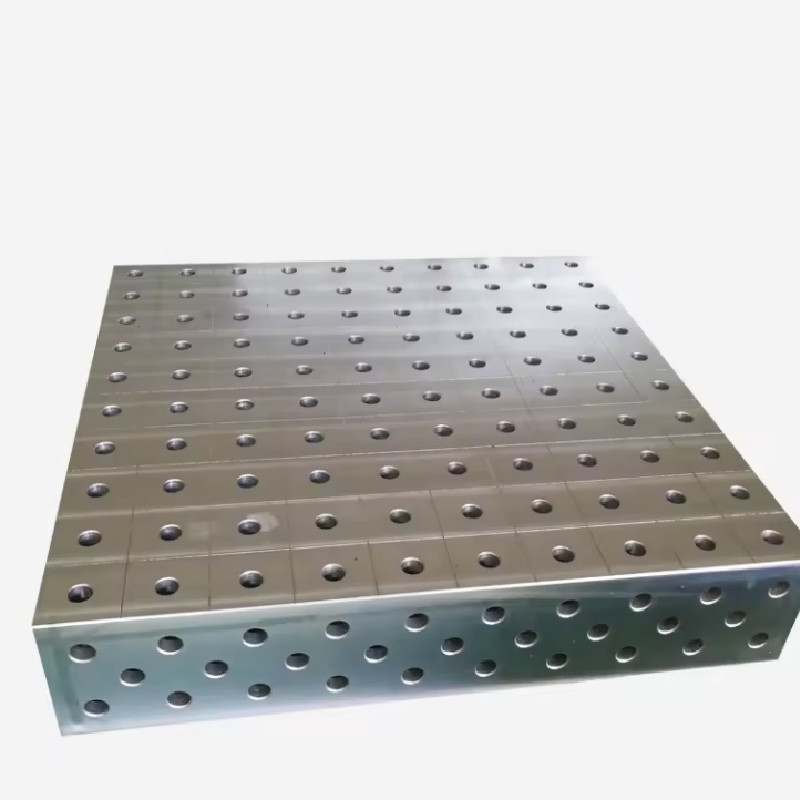
Understanding Metal Fabrication Tables A Key to Precision in Manufacturing In the world of metal fabrication, efficiency and precision are paramount. For professionals in this field, the tools and equipment used can significantly influence the quality of the final product. One often overlooked yet critical piece of equipment is the metal fabrication table. These tables are designed to provide a sturdy and reliable workspace, assisting in various processes such as cutting, welding, and assembling metal components. This article delves into the significance of metal fabrication tables, their features, and their impact on the manufacturing process. The Importance of Metal Fabrication Tables Metal fabrication tables serve as the foundation for many processes in metalworking. Their primary purpose is to offer a flat, stable surface that allows for accurate alignments and measurements. A high-quality fabrication table helps ensure that components fit together seamlessly, which is vital for producing high-quality finished products. Moreover, these tables are not just mere work surfaces; they are engineered for versatility. They can accommodate various tasks, including welding, grinding, and machining, depending on the specific requirements of a project. This adaptability makes them an indispensable asset in any fabrication shop. Key Features of Metal Fabrication Tables When considering the purchase of a metal fabrication table, several key features should be taken into account 1. Material Most fabrication tables are constructed from heavy-duty steel or aluminum. Steel tables are known for their robustness and durability, while aluminum tables are lighter and easier to move, making them suitable for various applications. 2. Surface Finish The surface of the table plays a crucial role in maintaining the quality of the work. Many tables come with a flat and smooth finish, which reduces friction when sliding materials across the surface. metal fab table 3. Load Capacity Depending on the types of projects a workshop handles, the load capacity of a table can vary significantly. Heavy-duty tables can support substantial weights, making them suitable for large metal pieces that require significant handling. 4. Modular Design Many modern fabrication tables feature a modular design, allowing users to customize their setup. This includes adjustable heights, interchangeable surfaces, and the ability to add attachments, like vises and clamps. 5. Clamping Systems Effective clamping systems are essential for holding metal pieces in place during the fabrication process. Fabrication tables often come with built-in clamping features or packages that allow for secure attachment of materials. Impact on the Manufacturing Process The introduction of metal fabrication tables has transformed the manufacturing landscape. A well-designed table can enhance workflow efficiency, reduce the risk of errors, and improve worker safety. By providing a stable and secure platform, these tables minimize the likelihood of accidents and enhance the overall ergonomic conditions. Additionally, with the rise of automation in metal fabrication, tables that integrate with CNC machines are becoming increasingly common. These advanced tables can facilitate smoother transitions between manual and automated operations, leading to increased productivity. Conclusion In conclusion, metal fabrication tables are an essential component of the metalworking industry. Their robust design, versatility, and features tailored to the needs of fabricators make them invaluable in producing high-quality metal products. By investing in a reliable fabrication table, manufacturers can ensure greater precision in their work, ultimately leading to better overall results. As technology continues to evolve, we can anticipate further innovations in fabrication table design, enhancing their functionality and efficiency even more. For anyone in the metal fabrication industry, understanding and selecting the right table is crucial to maintaining a competitive edge in today’s market.
-

High quality industrial productsagement

High quality industrial products
View Details -

Meet the diverse needs of customers

Meet the diverse needs of customers
View Details -

Strict quality control

Strict quality control
View Details -

Top raw materials

Top raw materials
View Details -

Trusted supplier

Trusted supplier
View Details
Our application

news and information

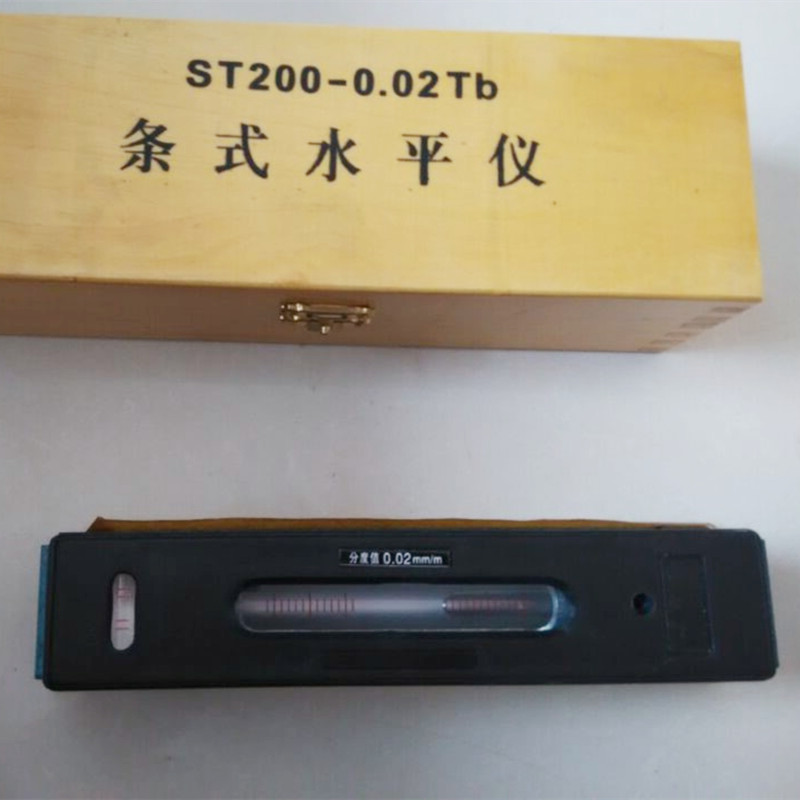
Using a Level to Create Accurate Markings on a Ruler
marking ruler with spirit level .
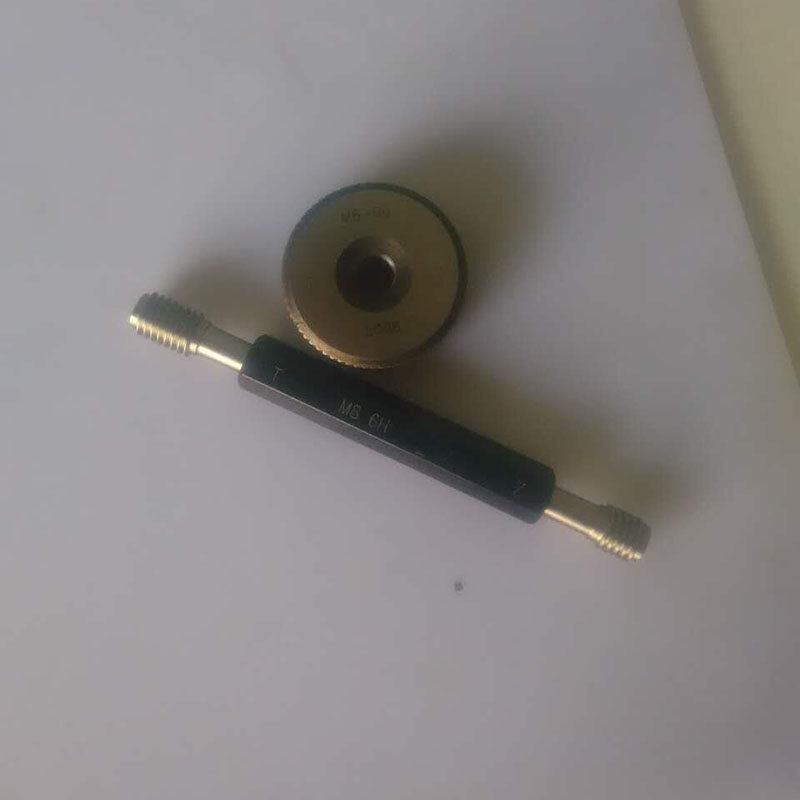
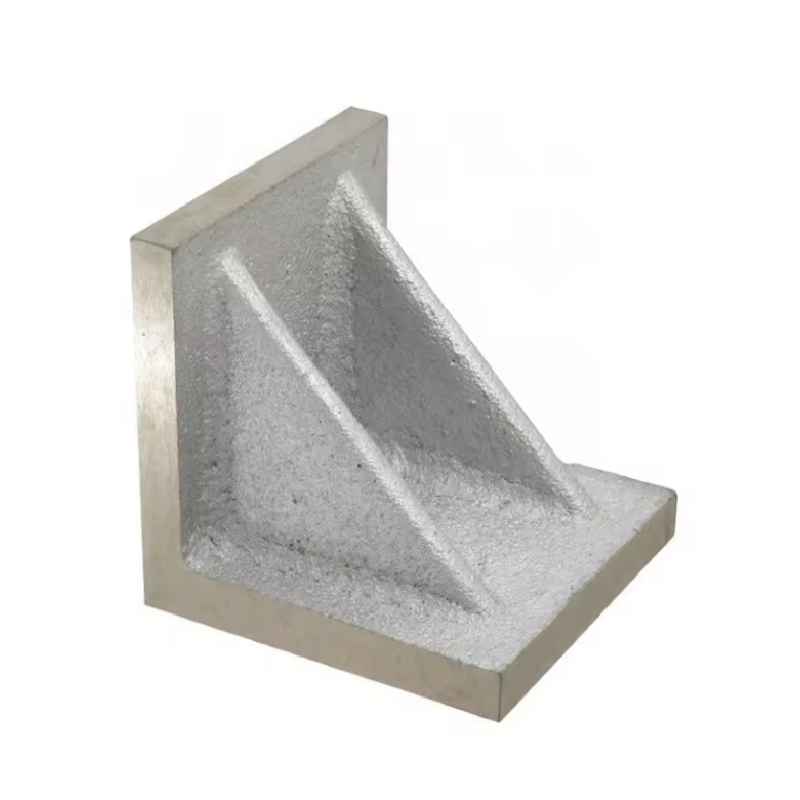
Versatile L-Shaped Metal Ruler for Precision Measuring and Layout Tasks
The Versatility of the Metal L-Shaped Ruler In the realm of tools and instruments, few items are as
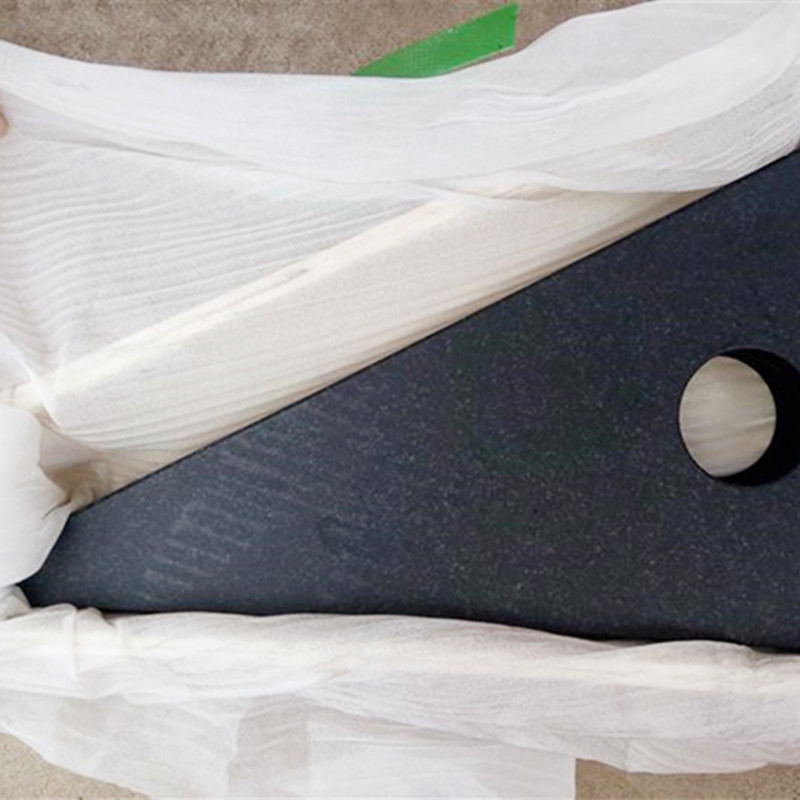
Y Type Strainer Compatibility with Corrosive Fluids
In industrial fluid systems where corrosive media like acids, alkalis, or saline solutions flow, mai
 English